What Is a Material Takeoff? A Roofer’s Guide to Accurate Ordering
A material takeoff turns a roof measurement into an exact shopping list — squares of shingles, rolls of underlayment, feet of drip edge. Here is how to do one right and stop over-ordering.
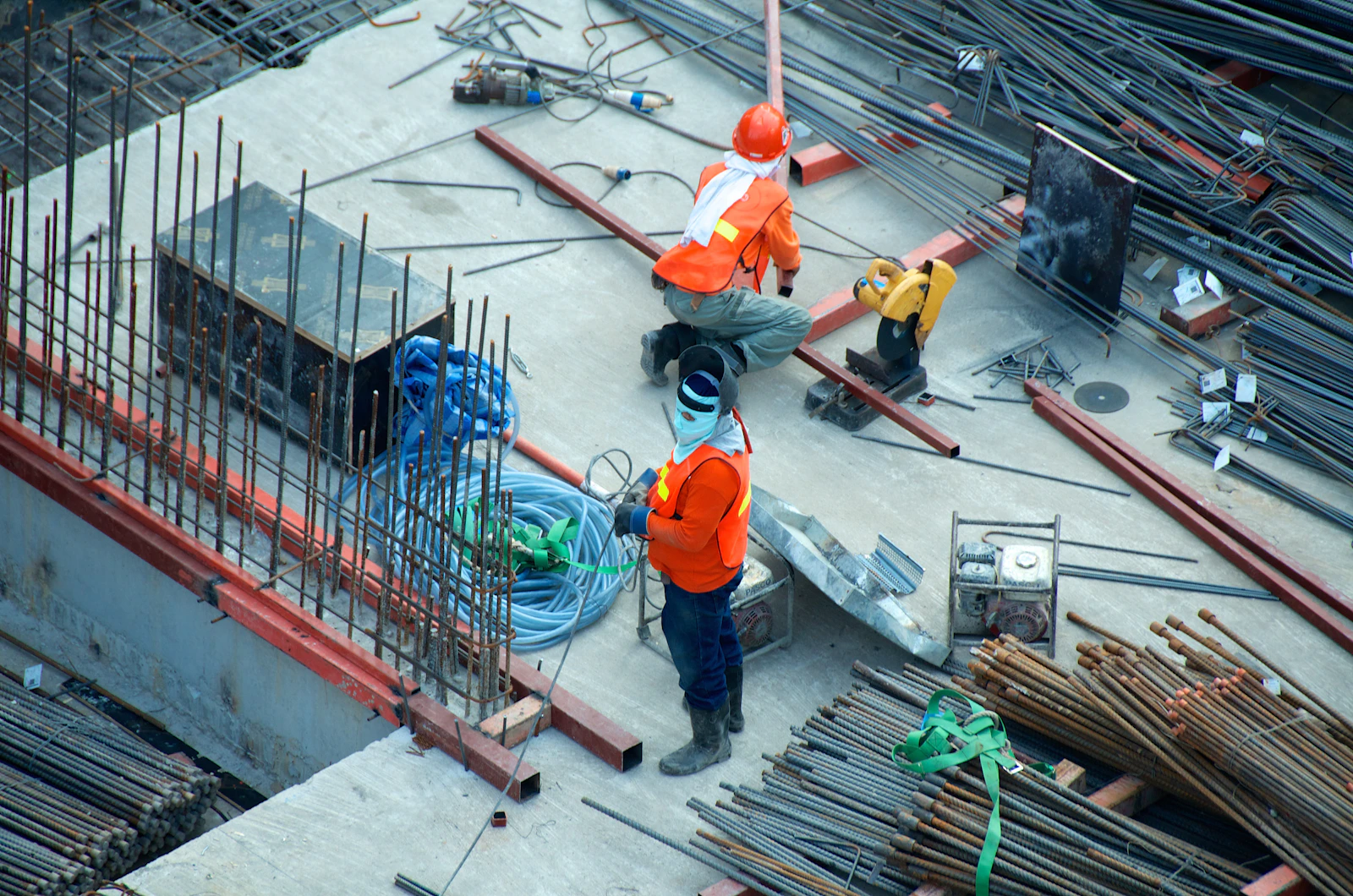
A material takeoff is the list of everything you need to buy to complete a roof, calculated from the roof measurements. It converts squares and linear feet into exact quantities — bundles of shingles, rolls of underlayment, feet of drip edge, nails, and vents — with waste factored in. Done right, it stops you from over-ordering on one job and running short on the next.
1. How do you calculate a roofing material takeoff?
Start with the roof area in squares (one square = 100 square feet) and the linear measurements of the eaves, rakes, ridges, hips, and valleys. Then convert each into packaged units:
- Shingles: about 3 bundles per square. For 32 squares that is roughly 96 bundles before waste.
- Underlayment: synthetic rolls cover around 10 squares each.
- Drip edge: sold in 10-foot lengths; divide total eave + rake feet by 10.
- Nails: about 2.5 lb per square for a standard install.
- Roof deck (OSB): one 4x8 sheet covers 32 square feet.
2. Why does waste factor matter so much?
Because the roof is never a perfect rectangle. Cuts at hips, valleys, and penetrations create offcuts you still paid for. A sensible default is 15% waste on shingles and about 10% on underlayment, more on complex or steep roofs. Skip the waste factor and you will be back at the supply house mid-job, paying for a second delivery and losing a crew an afternoon.
3. How do contractors get takeoffs wrong?
The three recurring mistakes:
- Measuring footprint, not surface. A 6/12 pitch adds roughly 12% to the actual roof area over the ground footprint. Forgetting pitch under-orders every time.
- Forgetting the linear accessories. Drip edge, starter strip, ridge cap, and ice-and-water shield are easy to leave off and expensive to forget.
- Hand math under time pressure. A number typed wrong in a truck becomes a wrong order. This is exactly where software helps.
4. Can software do a material takeoff automatically?
Yes — and this is where Skallix saves crews real time. Its built-in AI assistant turns a roof measurement into a complete purchase list as an Excel file, with the order quantities and package counts written as live formulas. Change the square count and the number of bundles to buy updates itself. The waste factors and package conversions above are built in, so the list you hand to your supplier is already rounded to whole packages.
That means the person in the field names the job, and the shopping list comes out ready to send to ABC Supply, SRS, or Beacon — no spreadsheet math, no second trip.
Frequently asked questions
What is a material takeoff in roofing? It is a calculated list of all materials needed for a roof — shingles, underlayment, drip edge, nails, vents — derived from the roof measurements and adjusted for waste.
How much waste should I add to a roofing takeoff? A common starting point is 15% on shingles and 10% on underlayment, increasing for steep or cut-up roofs.
How many bundles of shingles are in a square? Most architectural shingles come 3 bundles per square (100 sq ft).
More articles

How to Choose a Roofing CRM in 2025: A Practical Buyer’s Guide
A roofing CRM should manage the lead, the job, and the insurance claim in one place. Here is what to compare — features, pricing, and the mistakes that cost contractors money.
5 min read 0 0

ACV vs RCV: What Roofing Contractors Need to Know About Insurance Payouts
ACV and RCV decide how much your customer insurer actually pays — and when. Understand the difference, the recoverable depreciation, and the deductible so you collect the full amount.
3 min read 0 0
0 comments
No comments yet. Be the first.
Log in to leave a comment.